The Philippines and Japan Forge a Path Toward a Sustainable Energy Future
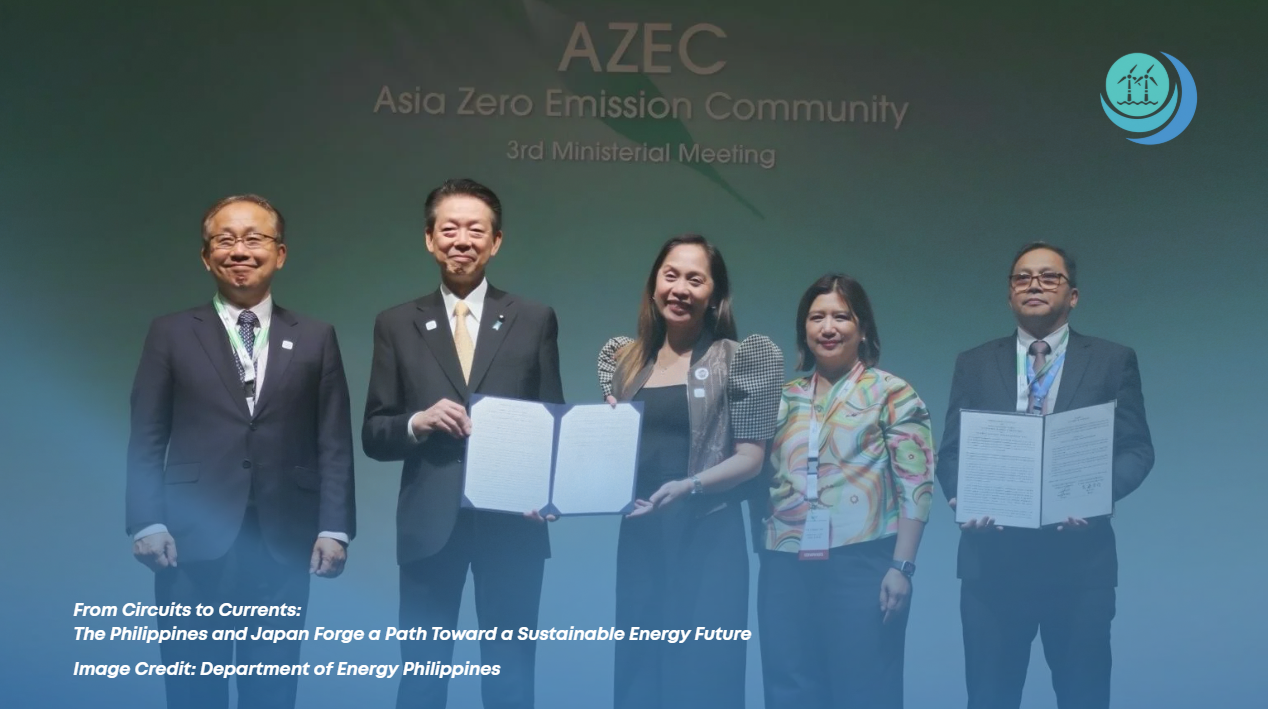
The Philippines and Japan Forge a Path Toward a Sustainable Energy Future
Introduction: Strengthening Energy Ties Between the Philippines and Japan
The Philippines and Japan have taken a significant step toward building a sustainable and resilient energy future. Through a newly signed Energy Partnership, formalized under a Memorandum of Cooperation (MoC) between the Philippine Department of Energy (DOE) and Japan’s Ministry of Economy, Trade, and Industry (METI), both nations are working together to advance clean, reliable, and secure energy systems.
This collaboration builds on shared values of innovation, sustainability, and climate responsibility. It is part of a broader effort to strengthen Asia’s collective progress toward carbon neutrality through the Asia Zero Emission Community (AZEC) framework.
Partnership Overview: A Shared Vision for Energy Transition
The partnership aims to accelerate the transition to clean energy through practical cooperation. It covers areas such as renewable energy, grid modernization, energy storage, hydrogen, ammonia, liquefied natural gas (LNG), and carbon capture technologies (CCUS).
By combining Japan’s technological expertise with the Philippines’ growing energy demand and renewable potential, the initiative seeks to:
-
Diversify energy sources
-
Strengthen energy security and resilience
-
Support low-carbon development
-
Build skills and local industry capacity
-
Encourage sustainable investment
The cooperation reflects the belief that clean energy growth must be inclusive and adaptive, recognizing that each country’s transition pathway will differ based on its resources and needs.
Strategic Importance: Collaboration Under the AZEC Framework
The Asia Zero Emission Community (AZEC) promotes regional collaboration for net-zero emissions. Under this framework, both countries will exchange knowledge and develop pilot projects that balance environmental protection with economic growth.
Japan’s Asia Energy Transition Initiative (AETI) will provide technical and financial support to help the Philippines strengthen its renewable infrastructure and accelerate its clean energy targets.
This partnership is not only about technology transfer. It also serves as a platform for policy dialogue, joint research, and skills development, creating a cycle of shared learning and innovation.
Implementation and Timeline
The cooperation was officially signed on October 17, 2025, at the 3rd AZEC Ministerial Meeting held in Kuala Lumpur, Malaysia.
Key implementing bodies:
-
Japan: Agency for Natural Resources and Energy (ANRE)
-
Philippines: Energy Policy and Planning Bureau (EPPB)
The collaboration will run for four years, with the option to extend by mutual agreement. During this period, the focus will be on:
-
Conducting joint studies and technical exchanges
-
Building renewable energy infrastructure
-
Enhancing grid reliability
-
Promoting private sector investment in clean energy
Economic and Social Impact
This partnership is expected to drive long-term benefits for both countries.
For the Philippines:
-
Strengthened energy security through diversification
-
Opportunities for clean energy jobs and skills training
-
Increased investment in renewable technologies
-
Improved energy access and affordability
For Japan:
-
Expanded collaboration in Asia’s energy markets
-
Knowledge sharing and innovation partnerships
-
Support for regional stability and sustainable development
As Energy Secretary Sharon S. Garin emphasized, this cooperation is not only about reducing emissions but also about improving livelihoods and building a stronger, more inclusive economy powered by clean energy.
Environmental Considerations
The collaboration highlights the growing importance of regional cooperation in addressing climate challenges. By adopting cleaner technologies and integrating renewable sources into the grid, both countries aim to reduce their carbon footprint while ensuring a stable energy supply.
The partnership supports the goals of the Paris Agreement and strengthens resilience against the impacts of climate change through innovation and capacity building.
Challenges and Next Steps
While the partnership presents vast potential, it also comes with challenges:
-
Ensuring consistent policy alignment between the two nations
-
Strengthening grid infrastructure to accommodate new energy inputs
-
Encouraging private sector participation in renewable investment
The success of this cooperation will depend on steady progress in project implementation, transparent communication between stakeholders, and a long-term commitment to sustainability.
Conclusion: A Forward-Thinking Energy Alliance
The Philippines-Japan Energy Partnership marks a new chapter in regional collaboration for sustainable development. By combining Japan’s advanced technology and the Philippines’ renewable potential, both nations are shaping a cleaner, more secure, and innovative energy landscape.
From an energy systems perspective, this alliance shows how circuits and currents connect beyond borders, linking technology, policy, and people to power a more sustainable future.
As the energy landscape continues to evolve, partnerships like this one remind us that progress thrives where collaboration and innovation meet.
My Insight: From Circuits to Currents
In From Circuits to Currents, I explore how renewable energy and smart systems intersect to shape the future of power generation. The Philippines-Japan Energy Partnership reflects this connection well.
Like an electronic circuit, the success of an energy system depends on how each part works together. Japan contributes advanced technologies and expertise, while the Philippines provides growing opportunities for renewable development. When these elements connect, they form a continuous current that drives innovation, efficiency, and shared progress.
This partnership also mirrors the principle of balance in electrical systems. Just as stable voltage ensures consistent performance, collaboration between nations ensures sustainable growth. It is a reminder that the path to cleaner energy is not a solo journey but a shared network of ideas and action.
In essence, this cooperation between the Philippines and Japan is more than a policy milestone. It is a signal of how nations can align purpose, technology, and people to keep the current of progress flowing steady, strong, and sustainable.
Frequently Asked Questions
1. What is the goal of the Philippines-Japan Energy Partnership?
The main goal is to strengthen cooperation in developing clean, reliable, and secure energy systems while supporting both countries’ climate and economic goals.
2. What types of energy technologies are included in the collaboration?
The focus areas include renewable energy, hydrogen, ammonia, liquefied natural gas (LNG), carbon capture technologies (CCUS), and modernizing energy grids.
3. How does the Asia Zero Emission Community (AZEC) fit into this partnership?
AZEC serves as the regional framework that promotes collaboration for achieving net-zero emissions. It supports policy alignment, funding, and technology exchange among Asian countries.
4. What benefits will the Philippines gain from this partnership?
The Philippines will gain access to advanced technologies, new investments, and clean energy job opportunities, while also improving energy access and reducing carbon emissions.
5. Why is this partnership important for Asia’s sustainable energy future?
It demonstrates how countries can combine innovation, technology, and shared goals to build a resilient, low-carbon energy ecosystem — a model that other nations can follow.
Share Your Insights
You can also share your insights or join the discussion here: www.linkedin.com/pulse/philippines-japan-forge-path-toward-sustainable-energy-barrameda-bsnmc