CONTENT WRITING

The Role of Translation in Globalization

Globalization is marked by extensive exchanges of goods, services, information, ideas, and culture across borders, facilitated by ongoing advancements in technology, communication, transportation, and trade. To truly reinforce interconnectedness and interdependence among countries and societies, effective communication and understanding are essential, overcoming language differences and barriers. While English has long been considered an international language due to its dominance in key sectors such as business, science, technology, and education, the National artist and KWF commissioner, Virgilio Almario, argues that technical translation should be regarded as the primary and active language of globalization. English may be widely understood in many regions, however, it is not universally spoken or comprehended by everyone, underscoring the significance of translation. Translation ensures that information, knowledge, and opportunities are accessible to all individuals, particularly those lacking proficiency in English or any other dominant language. By disseminating essential information to diverse linguistic backgrounds, translation empowers people and fosters inclusivity.
Over centuries, the translation of technical texts originally authored in foreign languages has laid a crucial groundwork for the ongoing development of the Philippines. For example, amid the global outbreak of the Coronavirus, the Department of Health translated numerous journal articles and informative texts to disseminate essential information to the general public. Through various media channels, news outlets, and networks, people gained awareness about the virus, necessary preventive measures, and advancements in vaccine development. The mitigation of risks was made possible through scientific studies and research, with translation playing a significant role in spreading knowledge worldwide.
Just as the virus transcends borders, translation also surpasses boundaries.
In summary, while English remains dominant, it is translation that facilitates multilingual communication, ensuring that knowledge is not confined to a single language. Translation promotes global communication and collaboration among individuals, organizations, and governments, fostering cooperation and mutual understanding despite language barriers.

Analyzing Printed Advertisements
Puma - we are forever faster

The image of a leaping Puma cat as the logo of the well-recognized sportswear brand perfectly coincides with the message it aims to impart through its tagline: speed, strength, and agility — characteristics of the said species that they envisioned to be embodied in their products. It encapsulates the continuous strive for innovation in a fast-paced society. In the world of sports and athletics, the usage of the word "fast" in comparative degree draws an edge over other sport brand as it conveys a message of competitiveness and being always one step ahead. Apart from this, it also communicates a youthful and lively connotation, which resonates well with Puma's target audience, that includes young and active individuals. The phrase "Forever faster" represents one of Puma's most significant marketing campaigns to date. The combination of these two words creates a clever structure that conveys the brand's commitment to both progress and timelessness. Essentially, Puma's tagline exhibits its mission to be the "fastest sport brand" in the world.
Apple - Think different
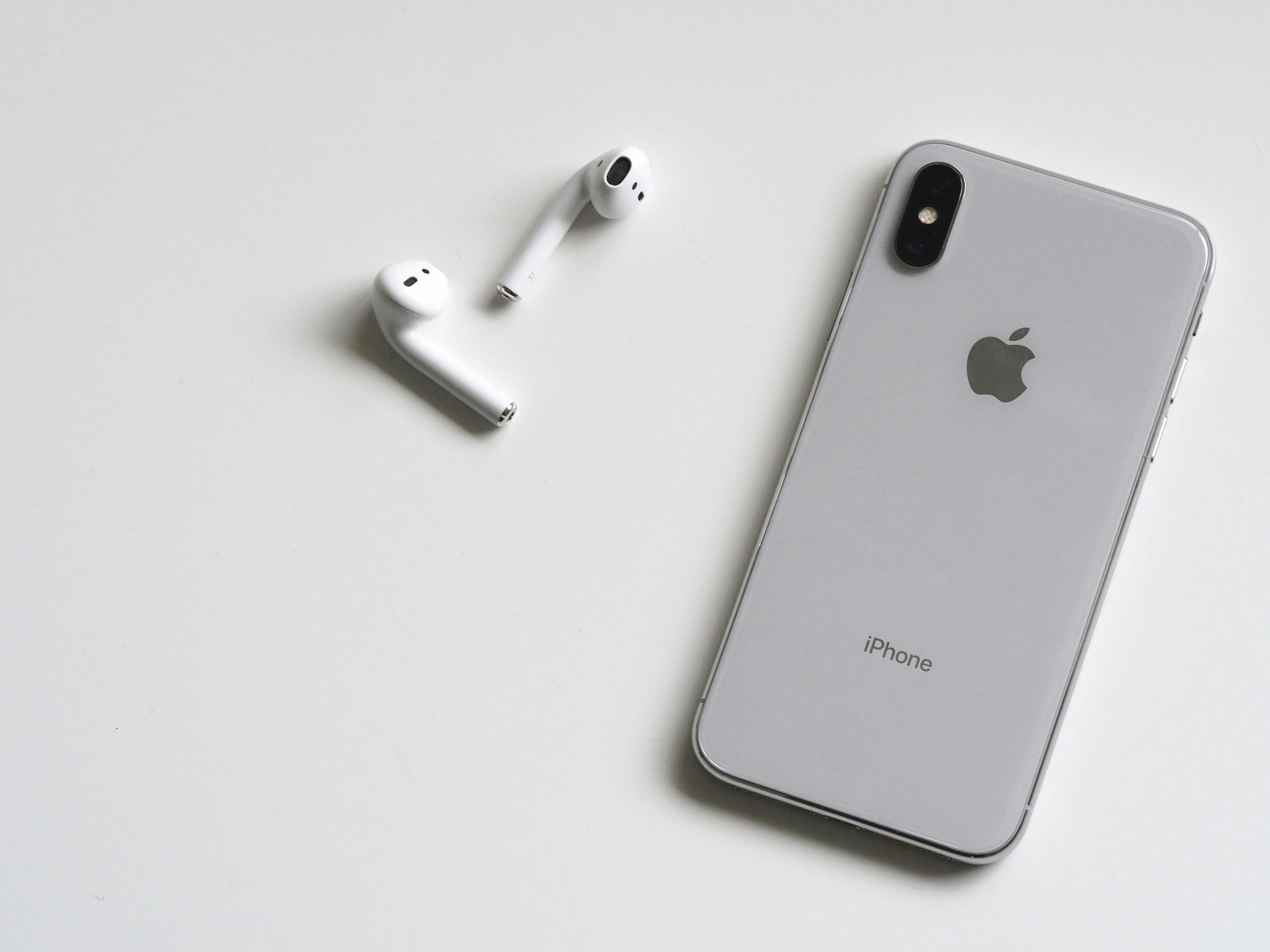
When contemplating the prominent and pioneering brand in the realm of technological devices, the majority of individuals instantly think of Apple. The tagline "Think different" effectively showcases how Apple has successfully established and distinguished itself from other technological brands. The imperative structure of this slogan emphasizes Apple's ability to set itself apart through innovation and non-conformity. It is a concise yet powerful tagline that encompasses the uniqueness and creativity infused into every Apple product available in the market. The inclusion of the word "think" in the slogan suggests that Apple's groundbreaking approach extends beyond its products to encompass design philosophy and the overall approach to technology. By associating its brand with the concept of thinking differently, Apple taps into people's aspiration to stand out and make a meaningful impact. This notion is further reinforced by the presence of the letter "i" in "iPhone," which embraces the individuality of its users.